

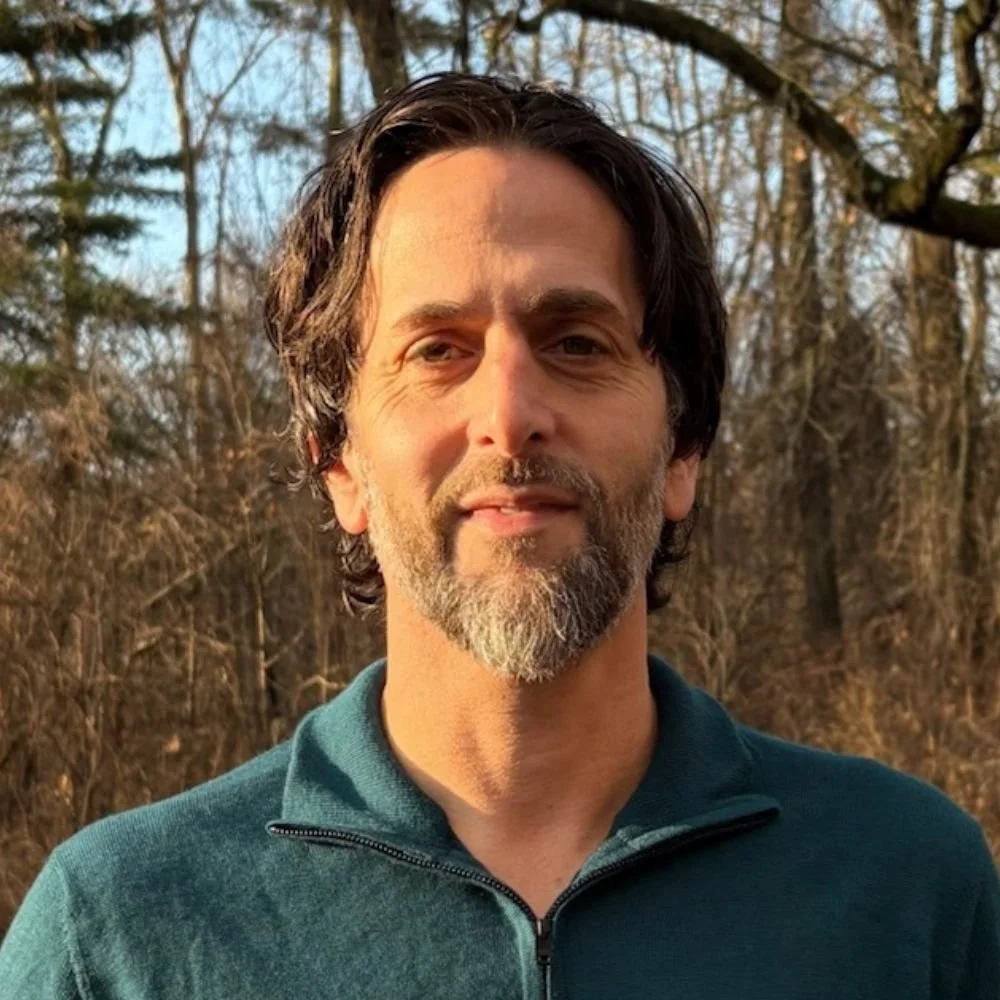
Meet Adam - My Journey to Becoming a Therapist
I did not come to therapy as a calling at first. Over time, it has become one. Not as a calling to fix or heal in any final sense, but as a calling to relationship, presence, and a different way of being with experience.
Through my own therapy and mindfulness practice, patterns of striving have become clearer and more workable. Rather than trying to improve or eliminate these efforting parts, I’ve learned to meet them with more space and compassion. This shift has oriented me away from doing and toward connection. Healing, in my experience, can happen in small moments of presence.
In therapy, this can mean slowing things down to notice when thoughts, emotions, or parts are getting in the way. This does not require prior meditation experience. Awareness often emerges through ordinary conversation, careful listening, and a grounded pace that leaves room for what wants to unfold.
My Therapy Approach
A relational, grounded approach for people who want depth, not quick fixes.

A different way of relating
Most people come to me tired of the cycle of managing, coping, or trying to feel better. They may have tried therapy, meditation, or personal growth work. Sometimes it helps. Sometimes it becomes one more way of striving.
Often what’s needed is not more insight or more effort. It’s a different relationship with yourself. More room on the inside. More connection with your experience. More choice about how you respond.
-
Sessions are collaborative, paced, and responsive. We orient to safety and capacity. We slow down enough to notice what’s happening beneath the words: tension, bracing, repetitive thoughts, protective patterns.
Your story matters. We make space for it. At the same time, we also pay attention to what the story is doing in the moment. Where it tightens the body. Where it speeds up the mind. Where it protects something vulnerable. Over time, we learn your system together, and we practice meeting it with more care and compassion.
-
Nothing here is one-size-fits-all. Depending on your needs, we may draw from:
Effortless Mindfulness: practices that create more room for thoughts, feelings, and parts, without getting pulled around by them
IFS-informed parts work: meeting protective parts with curiosity, respect, and compassion
Somatic and nervous-system awareness: tracking tension, bracing, activation, and safety cues in real time
Acceptance and Commitment Therapy (ACT): values, willingness, and psychological flexibility
Scope note: My work is IFS-informed. My formal IFS Level 1 training is underway. My Effortless Mindfulness facilitator certification is in progress and expected by the end of January.
-
You might arrive using words like anxiety, depression, burnout, ADHD patterns, trauma, panic, perfectionism, emotional overwhelm, or feeling stuck. These words can be useful. For some people, they offer clarity and a sense of recognition. For others, they feel limiting.
Either way, we do not have to reduce you to a label. I’m often most interested in the pattern underneath: how your system learned to protect, manage, stay safe, stay productive, or stay connected. Many symptoms make sense when we listen closely.
We focus on what’s underneath the labels. The stuckness. The bracing. The striving. And the part of you that longs for more ease.
-
Many of the people I work with are sensitive and good at holding it together, but tired of carrying it alone. What’s often present:
Overthinking and getting stuck in the same thoughts
Tension and bracing in the body (jaw, neck, shoulders; restlessness)
Burnout, numbness, or disconnection
Perfectionism, people-pleasing, and self-doubt
Emotions that feel hard to express (anger, love, sadness, grief, disagreement)
A pull toward authenticity and deeper connection
Meditation and personal growth efforts that start to feel like another to-do list
-
This work often fits people who want something real and grounded. Not just talking about patterns, but learning how they show up in the body, in the nervous system, and in relationships. It can be a good fit for people who are tired of trying to think their way out of what they feel.
I also work with many men who have spent years being the reliable one: capable on the outside, privately tense or shut down on the inside. Often the work is learning how to name what’s happening and make room for a fuller emotional life without feeling flooded or exposed.

Inclusivity and trauma-informed care
I’m committed to care that is affirming, inclusive, and grounded in respect for each person’s lived experience. My practice is welcoming and affirming for 2SLGBTQIA+ clients.
My work is neurodivergent-affirming. Sessions are flexible, paced gently, and responsive to sensory needs, communication differences, and nervous-system capacity. Across all offerings, I aim to be trauma-informed: choice-based, consent-oriented, and attentive to pacing and safety.
Professional background & training
I’m a Registered Social Worker with over 15 years of experience supporting people across community, nonprofit, and clinical settings. My psychotherapy work is grounded in mindfulness, trauma-informed care, and understanding the patterns that shape how we relate to ourselves and to life.
My training supports work with anxiety and overthinking, burnout and disconnection, perfectionism and self-criticism, and the ways unprocessed experiences continue to live in both mind and body.

-
Master of Social Work (MSW), University of Windsor
Registered Social Worker (RSW), Ontario College of Social Workers and Social Service Workers
Member, Ontario Association of Social Workers (OASW)
-
I see learning as an ongoing, lived process rather than something to collect or complete. I’m intentional about what I study and how it shapes my work, with an emphasis on approaches that deepen presence, support nervous system regulation, and translate meaningfully into real therapeutic relationships.
Alongside formal training, my work is informed by my own ongoing personal therapy and regular clinical supervision. These spaces help me stay reflective, grounded, and responsive, so that what we explore together is held with care, humility, and attention to the relationship itself. I’m most interested in learning that supports change that is felt and lived, not just understood.
Core therapeutic approaches
Acceptance and Commitment Therapy (ACT)
Internal Family Systems (IFS), Level 1 training (Jan–May 2026)
Cognitive Behavioural Therapy (CBT), foundational training
Mindfulness and contemplative approaches
Effortless Mindfulness Levels 1–3, Loch Kelly
Effortless Mindfulness and Internal Family Systems, Loch Kelly
Trauma-informed and somatic foundations
Holistic Trauma Course, Weekend University
(survey-based training covering EMDR, IFS, Polyvagal Theory, Sensorimotor Psychotherapy, and Somatic Experiencing)
Additional workshops and professional learning
Motivational Interviewing
Compassionate Inquiry
Depth-oriented and contemplative psychology
-
I did not come to therapy as a calling at first. I came through exhaustion.
For much of my early adult life, I learned how to strive, perform, and push myself beyond my limits. I became competent and outwardly calm, while struggling internally. I leaned on my thinking mind to get through, often at the expense of my body and emotions.
This pattern became most apparent during law school. I did not go on to practice law, but the focus on comparison and intellectual performance left its mark. I pushed myself hard, driven by chronic stress, self-doubt, and a fear of being exposed as not good enough. Even when I did well, it never felt like enough. Rest felt like something I could return to later, once I had proven myself.
After stepping away from law, I began working at a residential treatment centre for youth. This relational work felt meaningful. That experience led me toward social work, and later to leading a local poverty reduction initiative.
While this work aligned more closely with my values, similar internal patterns followed me. I continued to overextend myself, ignore limits, and measure my worth through effort and responsibility. Over time, my health, relationships, and sense of balance suffered. What I was doing felt unsustainable. Something had to change.
Many people I work with recognize some version of this pattern in themselves, even if their lives look very different on the surface.